Healthcare organizations are increasingly turning to medical virtual assistants (medical VAs) to handle many responsibilities. Offloading tasks like appointment scheduling, billing support, documentation, and patient communication to medical VAs helps streamline operations in many practices.
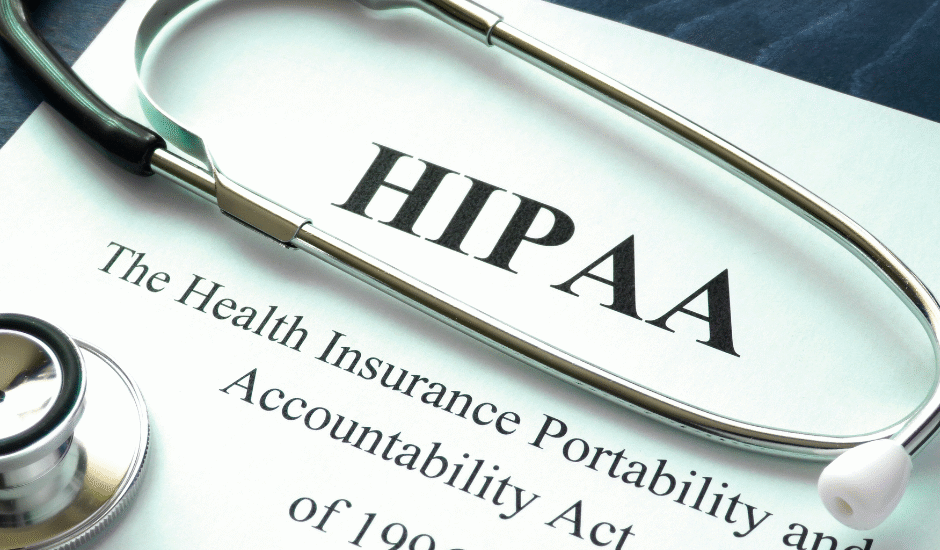
With that said, these clinics and care organizations need to ensure the security of patient data. The burning question stands: are virtual medical assistants HIPAA compliant?
HIPAA, Confidentiality, and Security
The National Healthcare Anti-Fraud Association shows the dire complications of mishandling patient data. “Individuals affected by medical identity theft can end up with incorrect treatments, lose eligibility for life insurance, and discover inaccurate diagnoses in their medical records. (NHCAA.org).
As you know, HIPAA sets rules to keep health information private and secure. However, legal consequences aside, it shapes how every detail of patient information is protected, whether stored, shared, or accessed.
HIPAA applies to all those involved in managing patient information. Ensuring trust and accountability wherever patient data is handled is paramount. As an extension of care practice, compliance is non-negotiable for virtual assistants.
What Makes a Medical VA HIPAA Compliant?
Systems and Safeguards in Place
Compliance isn’t automatic—it’s built on structure and security. A medical VA can only be considered HIPAA compliant when it operates within a framework that protects patient information at every step.
This means secure logins, encrypted communication platforms, and role-based access so assistants only see the information they truly need. Clear policies, regular audits, and secure storage methods all add an extra layer of protection.
Without these measures, even well-intentioned assistants can inadvertently expose sensitive data.
The Value of Training and Awareness
Technology alone doesn’t guarantee compliance—people do. Ongoing HIPAA training helps medical VAs recognize what counts as protected health information (PHI) and avoid risky shortcuts, like sending details over personal email or logging in from public Wi-Fi.
Regular refreshers also keep them current with evolving security practices. In the end, vigilance, due-diligence and awareness are just as vital as software safeguards.
The Role of the Practice
Healthcare organizations must provide the right tools, policies, and oversight especially since each practice has their own set of processes.
To ensure that a virtual medical assistant is HIPAA-compliant, practices supplement general HIPAA education with customized, in-house training that reflects their own workflows and systems, helping staff maintain compliance in real-world situations.
Why Security Matters
Securing patient data isn’t just a legal requirement. It protects people from harm. Aside from that, having a strong security ensures patients trust the healthcare system enough to share complete information—without it, records may be inaccurate, which can hurt care quality.
When medical virtual assistants comply to HIPAA regulations, clinics gain efficiency without sacrificing integrity. In today’s healthcare landscape, protecting data isn’t optional—it’s the foundation of both ethical care and lasting patient relationships.
At PowerUP Medical VA, we put a premium in confidentiality and security. If you’re looking for reliable medical VAs who understand HIPAA compliance, CALL us today!